

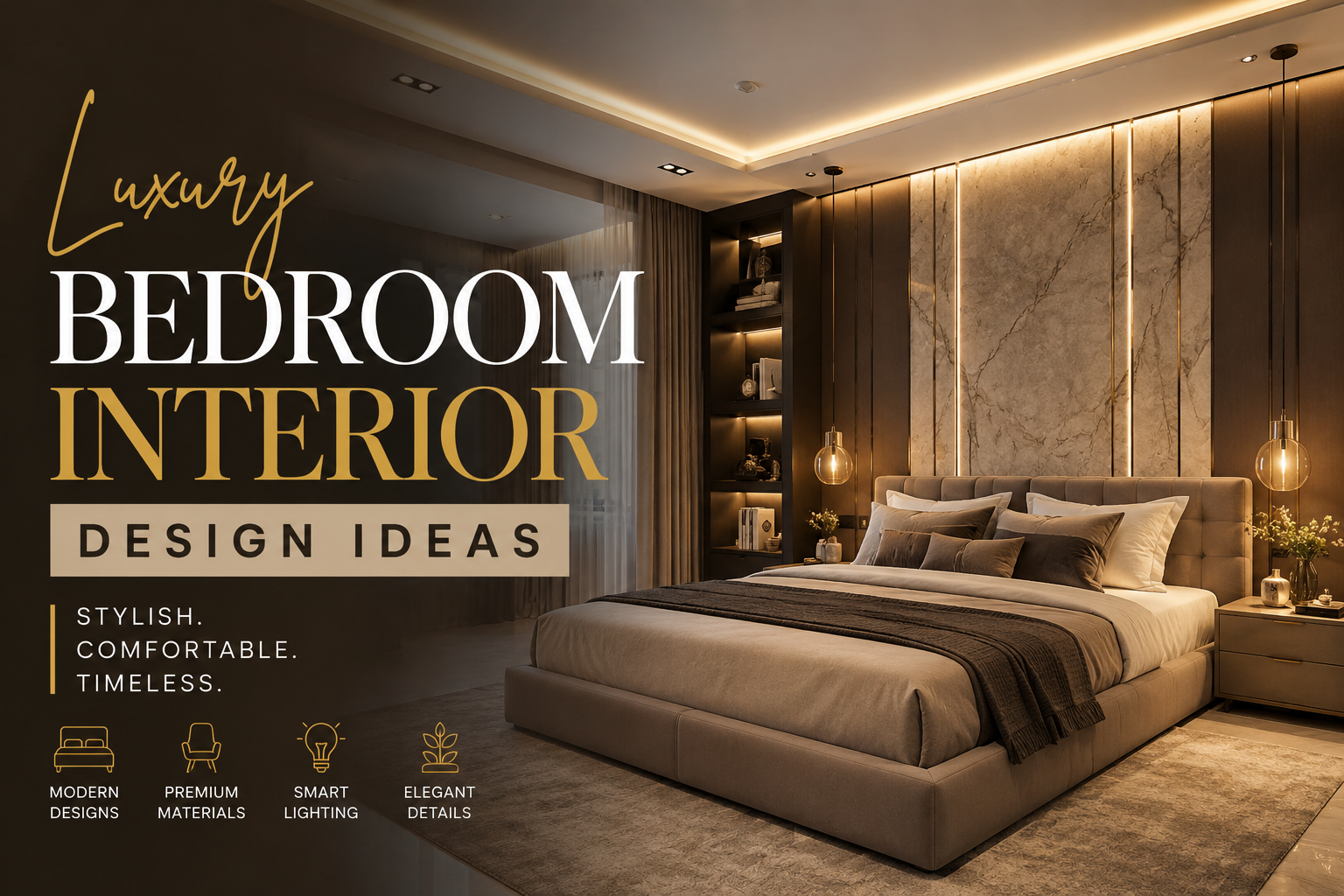
Your bedroom is more than just a place to sleep. It is a private retreat where you begin and end your day. The right design can transform an ordinary bedroom into a sophisticated, comfortable, and highly personalized space. If you are planning to upgrade your bedroom, luxury bedroom interior design can help you combine elegance, functionality, comfort, and timeless style.
Premium does not necessarily mean choosing the most expensive furniture or adding excessive decoration. Instead, it is about thoughtful planning, premium-looking finishes, harmonious colors, layered lighting, quality materials, and carefully selected furniture. Whether you prefer a contemporary, modern, minimalist, or classic aesthetic, a well-designed luxury bedroom can make your home feel significantly more refined.
What Is Luxury Bedroom Interior Design?
Luxury bedroom interior design focuses on creating an elevated environment through a combination of aesthetics, comfort, functionality, and attention to detail. Every element—from the bed and wardrobes to the lighting and wall finishes—is selected to create a cohesive experience.
A luxury bedroom often includes:
- A statement bed and stylish headboard
- Premium-looking wall finishes
- Elegant wardrobes and storage
- Layered ambient and accent lighting
- High-quality curtains and upholstery
- Sophisticated color combinations
- Custom-designed furniture
- Decorative accessories and artwork
- Smart and functional storage solutions
The goal is not simply to make the room look expensive. The goal is to make it feel luxurious while remaining practical and comfortable.
1. Choose a Sophisticated Color Palette
Color plays a major role in creating the atmosphere of a luxury bedroom. Neutral and muted shades are particularly effective because they create a calm, sophisticated backdrop.
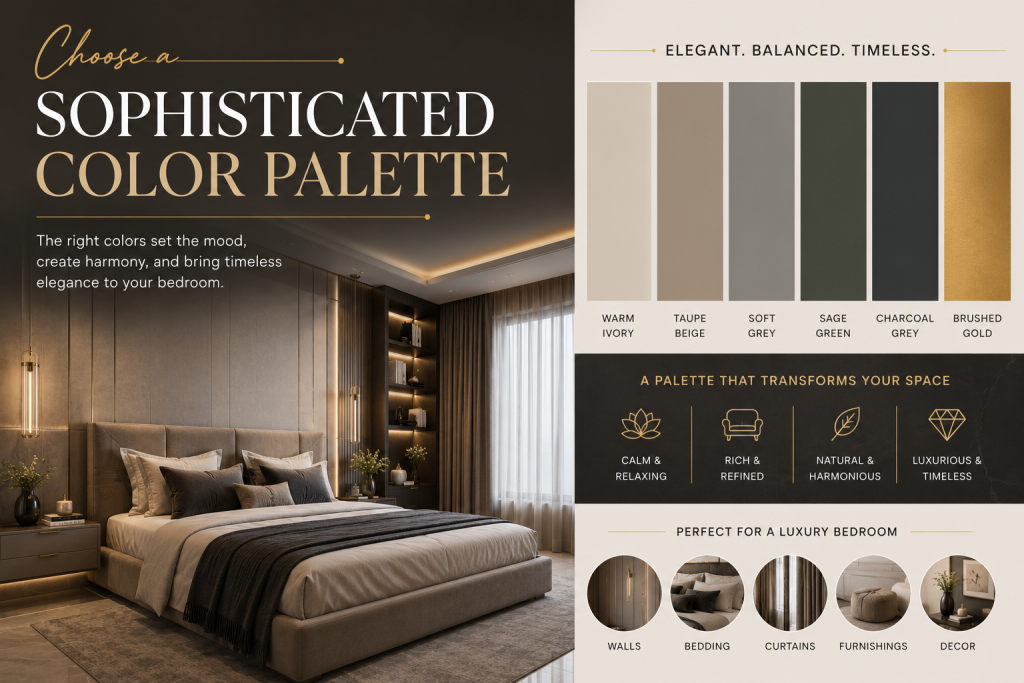
Popular choices include:
- Warm beige
- Cream
- Ivory
- Taupe
- Soft grey
- Deep brown
- Olive green
- Navy blue
- Charcoal
- Subtle metallic accents
For a timeless look, combine two or three complementary shades instead of using too many colors. For example, beige walls with warm wooden furniture and subtle gold accents can create an elegant and inviting environment.
For a more dramatic bedroom, darker shades such as charcoal, navy, or deep green can be paired with warm lighting and lighter bedding.
2. Make the Bed the Focal Point
The bed is naturally the centerpiece of a bedroom, so it deserves special attention in a luxury design.
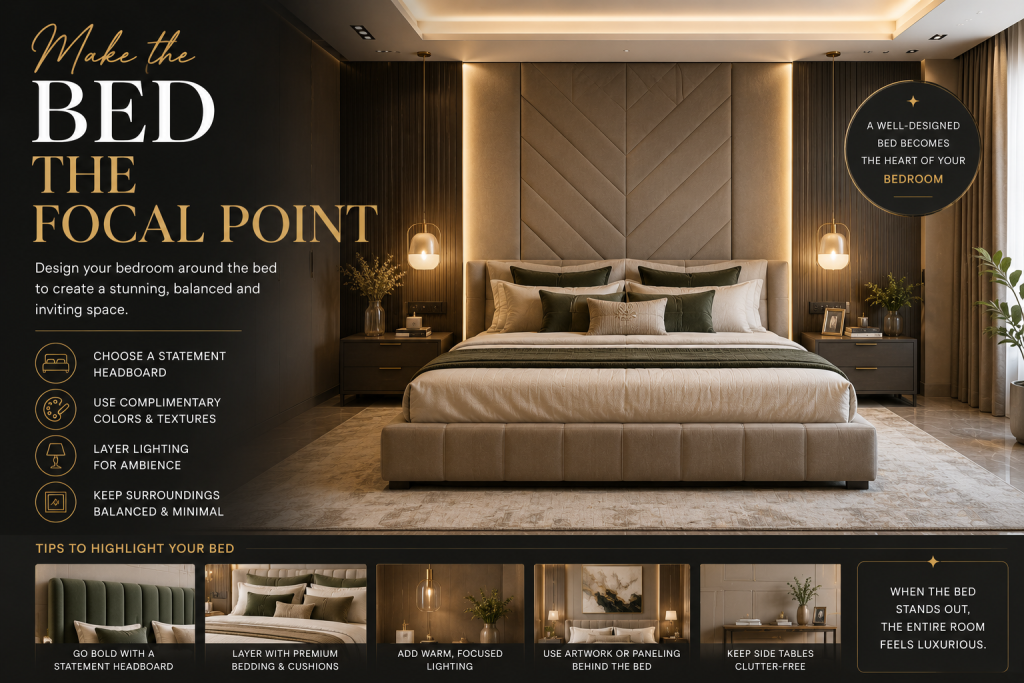
An upholstered bed with a large headboard can immediately create a premium appearance. Fluted panels, vertical channels, textured fabric, leather-style finishes, or wooden detailing can make the headboard visually striking.
Consider extending the headboard across part of the wall to create a more architectural appearance. Integrated bedside tables, concealed lighting, and storage can further enhance the design.
However, visual appeal should never compromise comfort. Choose a mattress, pillows, and bedding that support restful sleep while complementing the overall design.
3. Use Layered Lighting for a Premium Ambience
Lighting can completely change how a bedroom looks and feels. One central ceiling light is rarely enough to create a truly luxurious atmosphere.
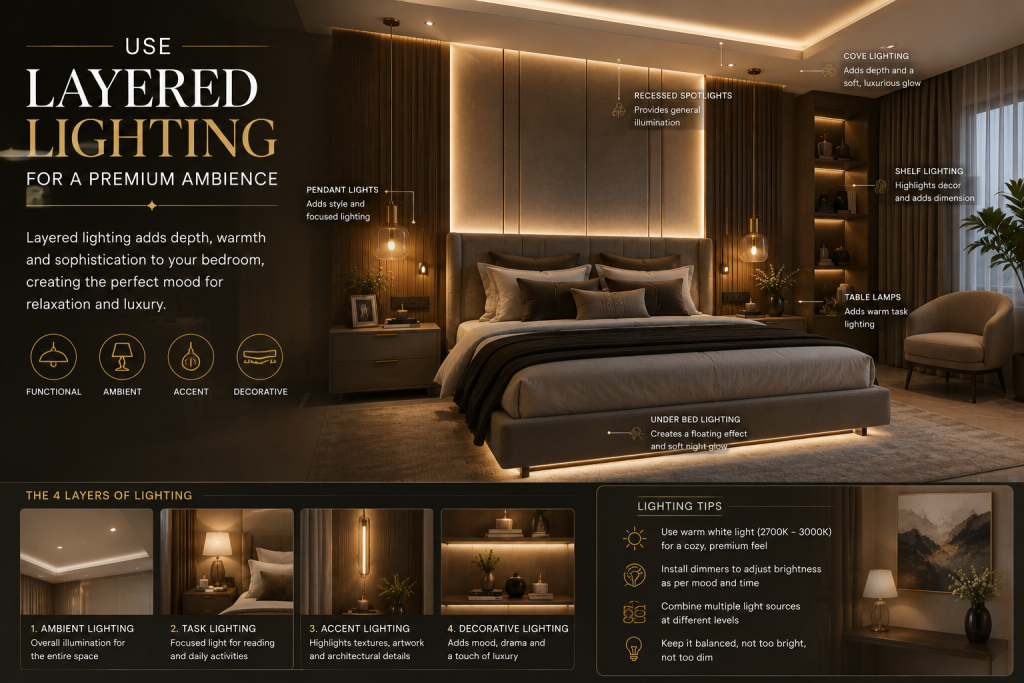
Instead, consider multiple layers of lighting:
Ambient lighting: Provides general illumination throughout the room.
Task lighting: Bedside lamps or focused lights provide illumination for reading and other activities.
Accent lighting: Highlights architectural features, artwork, wardrobes, or decorative walls.
Mood lighting: Soft, warm illumination creates a relaxing evening atmosphere.
LED strips can be integrated behind the headboard, beneath floating furniture, inside wardrobes, or along architectural details. Warm-toned lighting is generally well suited to bedrooms because it creates a softer and more relaxing environment.
4. Invest in Elegant Wardrobe Design
A luxury bedroom should look beautiful without feeling cluttered. This makes storage an essential part of the design.
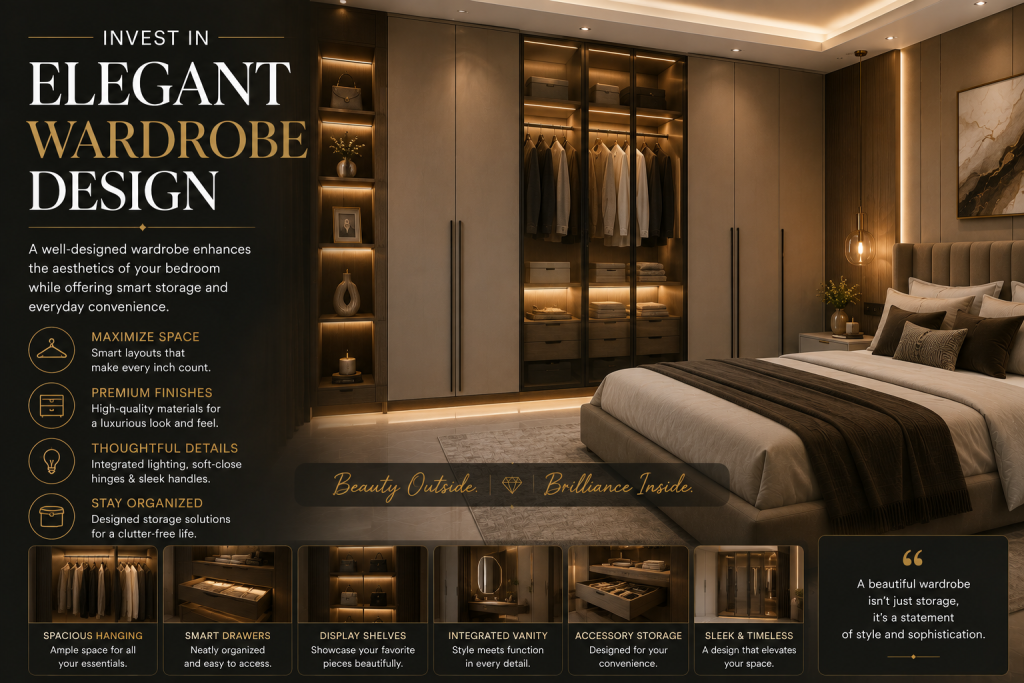
Full-height wardrobes can maximize vertical space while maintaining a clean appearance. Depending on your style, you can choose finishes such as wood textures, glass, matte laminates, textured panels, or neutral colors.
Internal organization is just as important as exterior appearance. Dedicated compartments for clothing, accessories, shoes, watches, and other belongings can make everyday use much easier.
For a sophisticated appearance, consider handleless wardrobes with push-to-open mechanisms or integrated profiles. Mirrored panels can also make a bedroom appear more spacious while adding functionality.
5. Add Texture Through Walls and Fabrics
Comfort and luxury is often experienced through texture rather than color alone.
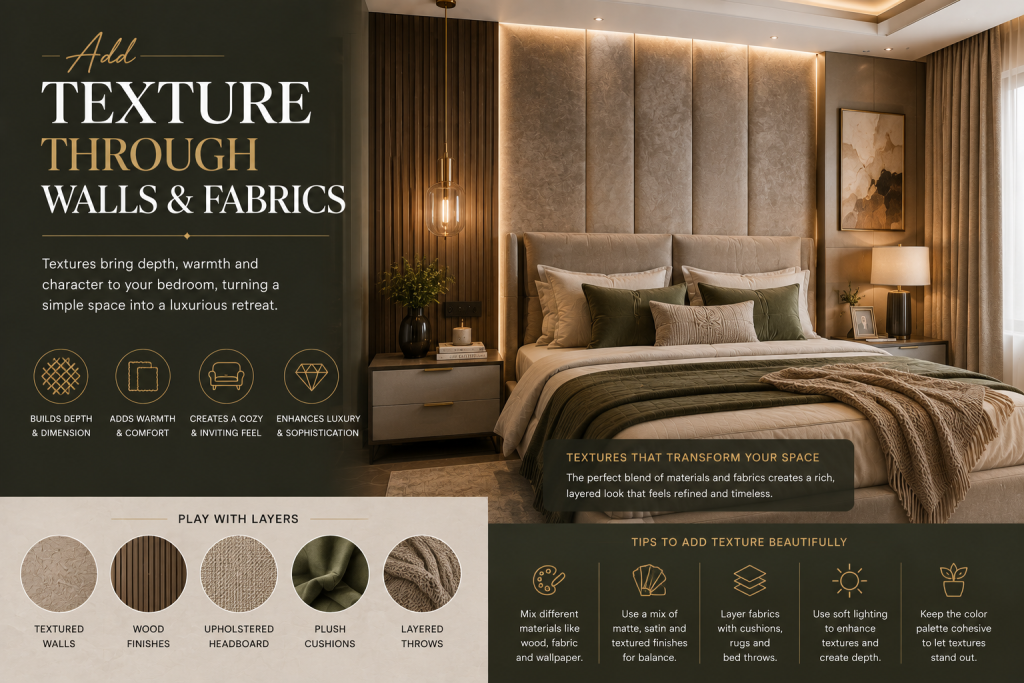
A combination of different textures can make a bedroom feel rich and layered. Consider:
- Upholstered wall panels
- Fluted wood
- Textured paint
- Decorative wall panels
- Wallpaper
- Stone-inspired finishes
- Velvet upholstery
- Soft rugs
- Layered curtains
For example, a neutral wall combined with a textured upholstered headboard and soft curtains can create depth without making the room visually overwhelming.
The key is balance. Using too many patterns and textures can make the bedroom feel busy rather than luxurious.
6. Choose Premium-Looking Flooring
Flooring provides the foundation for your bedroom design. Wooden flooring, high-quality tiles, marble-inspired surfaces, and other sophisticated finishes can complement a luxury aesthetic.
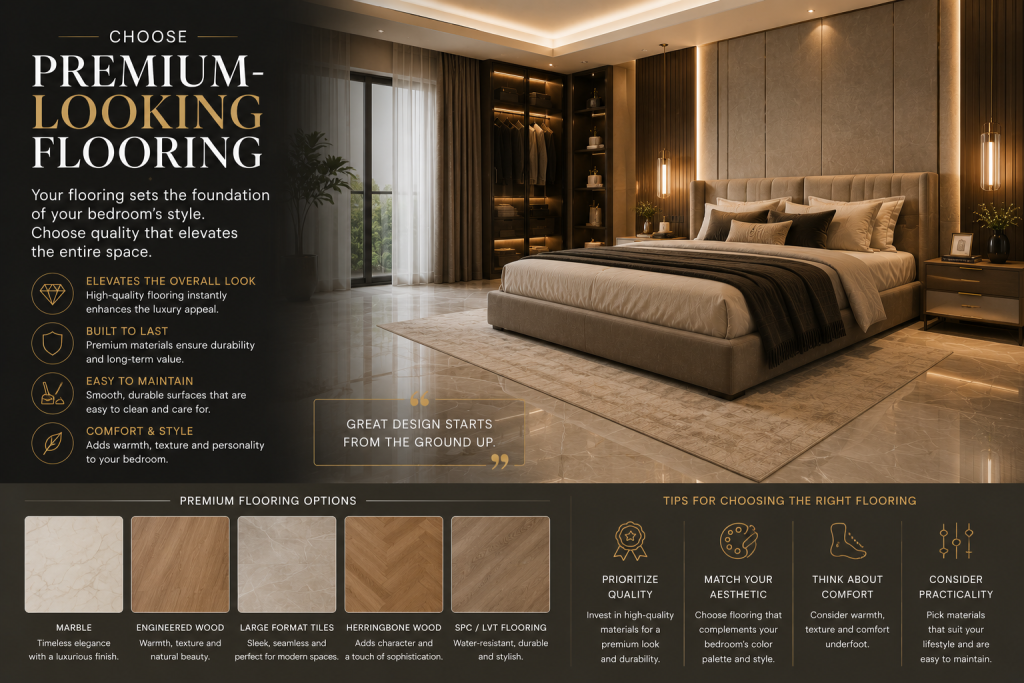
If you prefer a warm and comfortable atmosphere, wood-look flooring can work particularly well. Add a soft area rug beside or beneath the bed to introduce warmth and texture.
When choosing flooring, consider maintenance as well as appearance. A beautiful material that is difficult to maintain may not be the best choice for a bedroom used every day.
7. Incorporate Custom Furniture
One of the biggest advantages of professional interior design is the ability to create furniture specifically for your space.
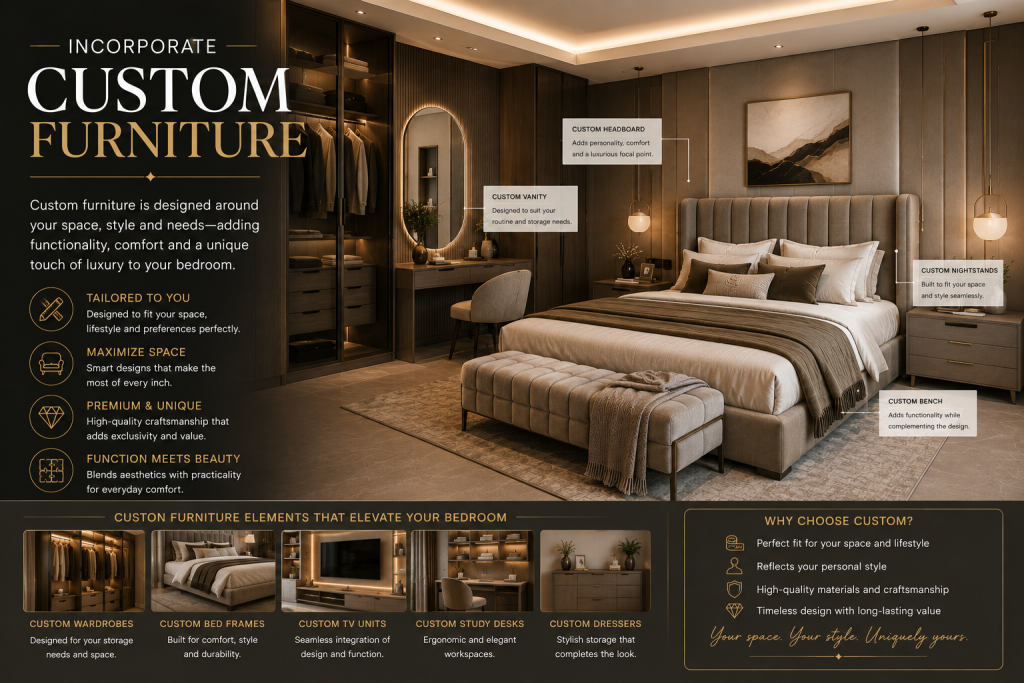
Custom furniture can help you make better use of unusual room dimensions, corners, alcoves, and vertical space. A customized bedroom may include:
- Built-in bedside tables
- Dressing units
- Vanity areas
- Window seating
- Custom wardrobes
- Storage benches
- Floating shelves
- Integrated study desks
Custom furniture also allows you to coordinate materials, colors, and finishes throughout the room, resulting in a more cohesive design.
8. Create a Stylish Dressing or Vanity Area
If your bedroom has enough space, a dedicated dressing or vanity area can add both luxury and convenience.
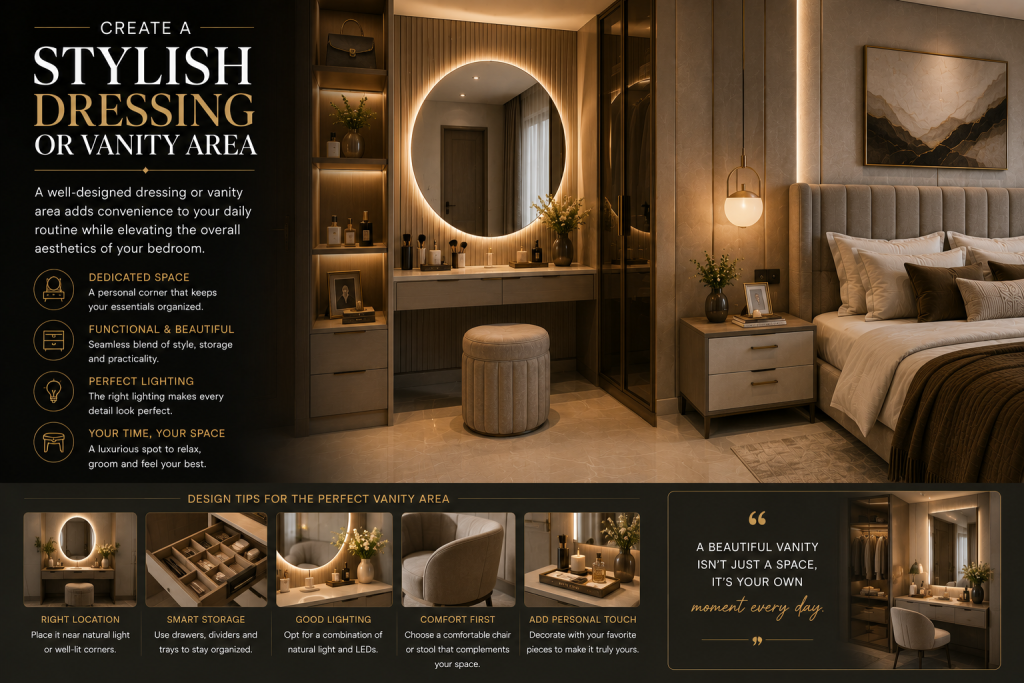
A compact vanity can include a large mirror, drawers for accessories, comfortable seating, and dedicated lighting. A dressing area can be integrated into the wardrobe zone rather than treated as a separate room.
For smaller bedrooms, a wall-mounted vanity or floating console can provide the same functionality without taking up too much floor space.
9. Use Curtains to Enhance the Room
Window treatments are sometimes overlooked, but they can have a major impact on the finished appearance of a bedroom.
Floor-to-ceiling curtains can make the ceiling appear taller and give the room a more elegant appearance. Layering sheer curtains with blackout curtains provides both softness and practical light control.
Choose fabrics and colors that complement the bed, walls, and furniture. Neutral curtains can create a timeless look, while deeper shades can add drama to a contemporary bedroom.
10. Add Carefully Selected Decorative Elements
Premium look does not require excessive decoration. A few carefully chosen pieces can make a much stronger impact.
Consider adding:
- Statement artwork
- Decorative mirrors
- Elegant bedside accessories
- Indoor plants
- Sculptural lighting
- Decorative cushions
- Premium-looking throws
- Minimal accessories
Avoid filling every surface with decorative objects. Leaving some areas visually open can actually make the bedroom feel more sophisticated.
11. Bring Smart Features Into Your Bedroom
Modern luxury is increasingly connected to convenience. Smart-home features can make your bedroom easier and more comfortable to use.
Depending on your requirements, you can incorporate smart lighting, automated curtains, bedside charging points, concealed wiring, smart switches, and other connected features.
For example, adjustable lighting can allow you to create brighter illumination in the morning and softer lighting at night.
The best smart features are those that simplify everyday routines without making the room feel overly technical.
12. Prioritize Comfort Alongside Aesthetics
A luxury bedroom should look beautiful, but comfort should remain the priority.
Select bedding that feels comfortable, maintain adequate circulation around furniture, and avoid overcrowding the room. Make sure storage is easily accessible and switches and charging points are positioned conveniently near the bed.
Acoustics can also influence comfort. Soft furnishings, rugs, curtains, and upholstered elements can help create a quieter and more relaxing environment.
Remember: a bedroom is ultimately designed for rest. A visually impressive space that is uncomfortable will not deliver a genuinely luxurious experience.
Luxury Bedroom Design Ideas for Different Styles
Modern Luxury
Modern luxury bedrooms typically feature clean lines, neutral colors, sophisticated lighting, and minimal decoration. Materials such as wood, glass, stone-inspired finishes, and metal accents can create a polished appearance.
Contemporary Luxury
Contemporary bedrooms often combine current design elements with comfortable furniture and subtle decorative details. Neutral palettes, statement lighting, textured walls, and customized storage work particularly well.
Classic Luxury
Classic luxury can include detailed furniture, elegant fabrics, decorative wall treatments, traditional lighting, and rich color combinations. Symmetry is often an important part of this style.
Minimalist Luxury
Minimalist luxury focuses on simplicity and quality. Instead of adding numerous decorative elements, the design emphasizes proportion, material quality, clean lines, and a calm color palette.
Common Mistakes to Avoid
Even a well-planned bedroom can lose its luxurious appearance because of a few common design mistakes.
Using too many colors: Stick to a controlled palette for a cohesive appearance.
Overcrowding the room: Luxury requires breathing space. Choose furniture according to the room’s dimensions.
Ignoring lighting: Poor lighting can make expensive finishes look ordinary.
Choosing appearance over comfort: A bedroom should support relaxation and sleep.
Neglecting storage: Visible clutter can quickly undermine an otherwise sophisticated design.
Following trends blindly: Choose designs that suit your lifestyle and are likely to remain appealing for years.
How to Plan Your Luxury Bedroom Interior
Before starting the renovation, establish a clear design direction. Begin by measuring the room and identifying your storage, lighting, furniture, and functional requirements.
Next, decide on your preferred style and color palette. Create a realistic budget that includes furniture, materials, lighting, installation, and professional design services.
Working with an experienced interior designer can simplify the process. A professional can help with space planning, material selection, furniture layouts, lighting design, and execution while ensuring that the final result matches your expectations.
Conclusion
A successful luxury bedroom interior design project is about much more than expensive materials. It is about creating a balanced space where sophisticated aesthetics meet everyday comfort and functionality.
From a statement headboard and layered lighting to customized wardrobes, elegant fabrics, smart storage, and carefully selected accessories, every detail can contribute to the overall experience. The most effective luxury bedrooms are personal, comfortable, uncluttered, and thoughtfully planned.
Whether you are designing a master bedroom, guest bedroom, or complete home interior, investing in good planning can help you create a space that feels elegant today and remains beautiful for years to come.